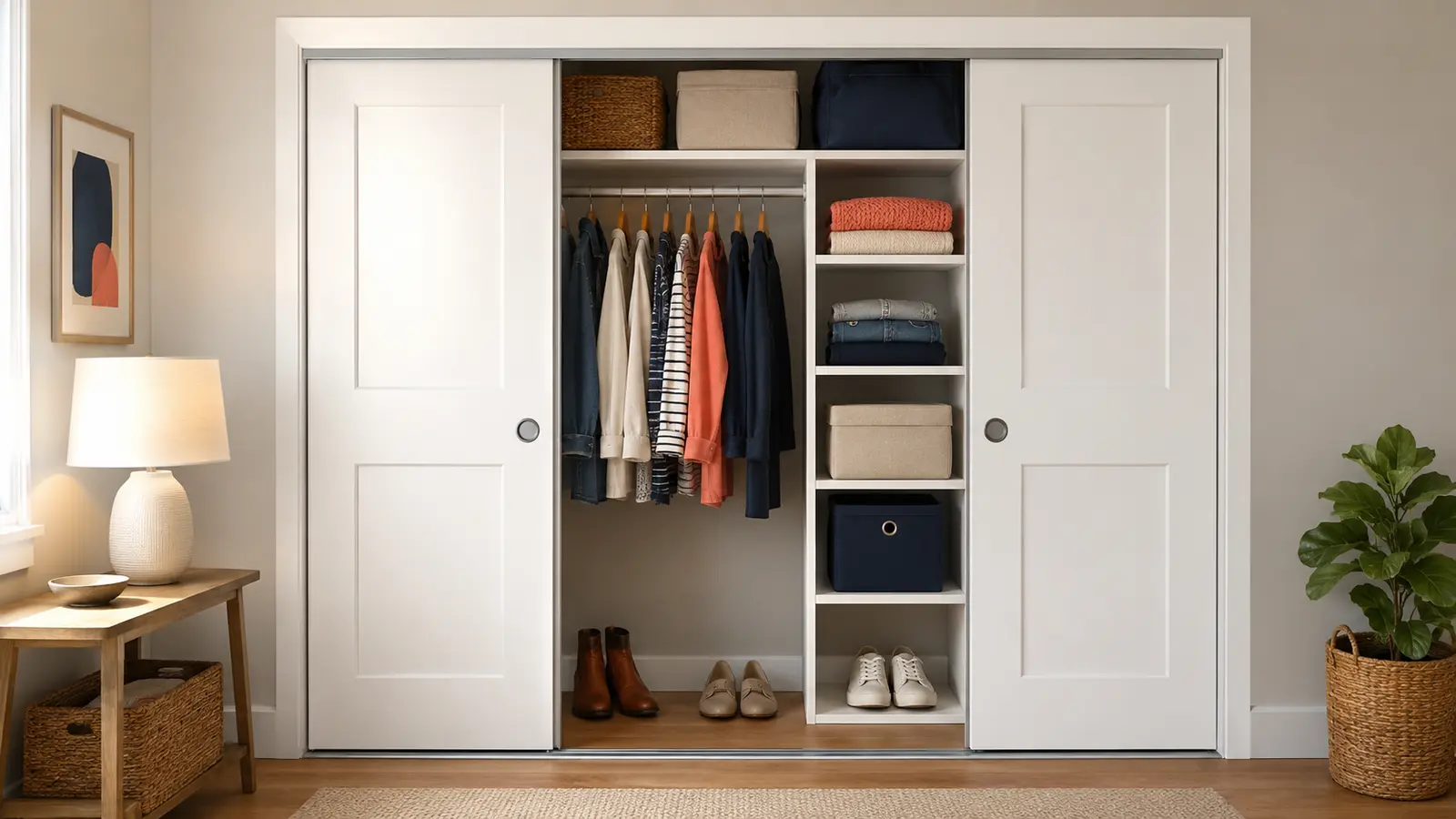
Make the space work before buying more storage
Home Organization
Practical systems for real homes and limited spaces. We begin with the problem, measurements, access, and upkeep—then consider a product only when it earns the space it takes.
Active research clusters
Small-space organization
Small closets
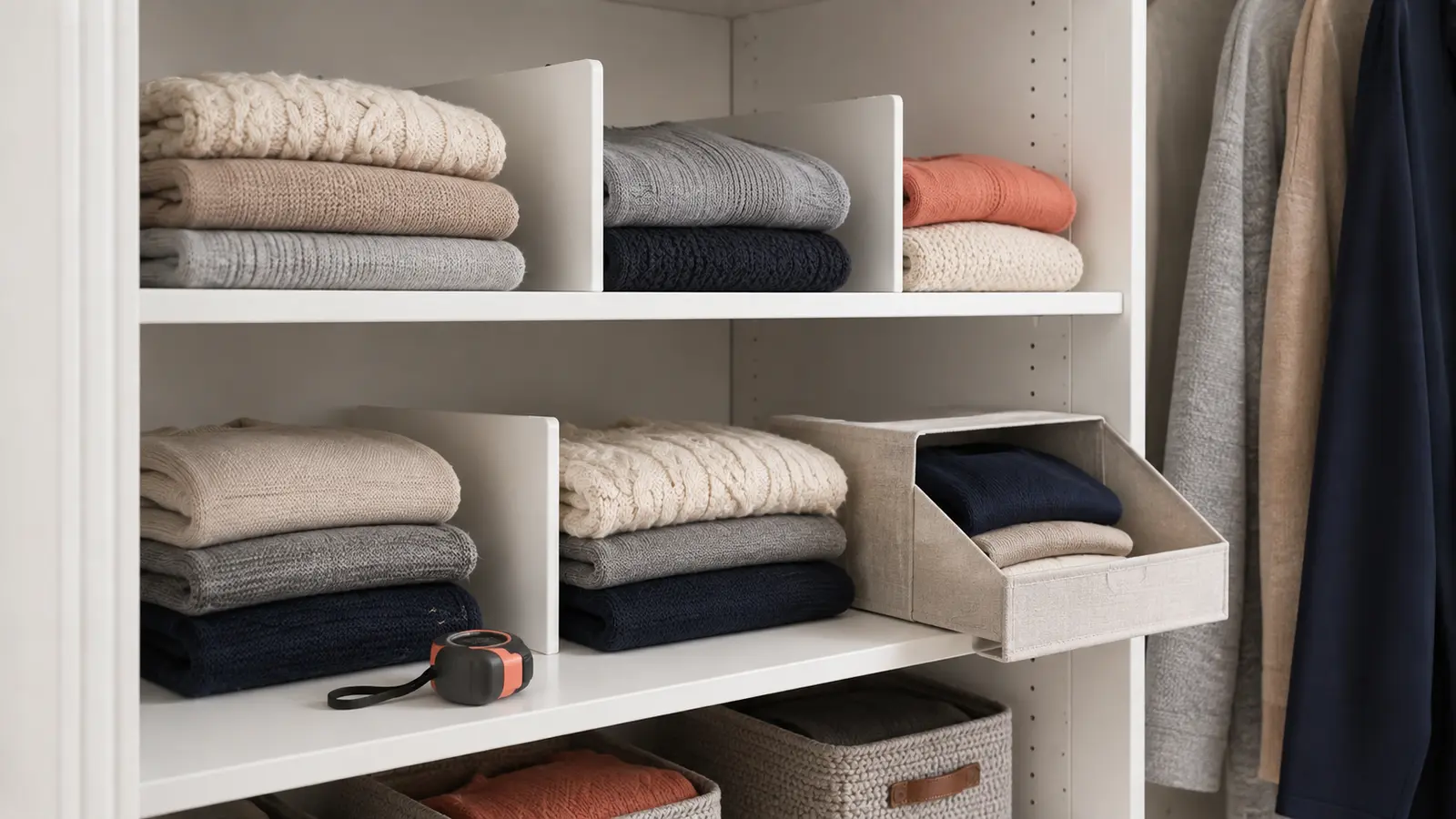
Plan around usable width, depth, garment length, opening, and door clearance.
Small pantries
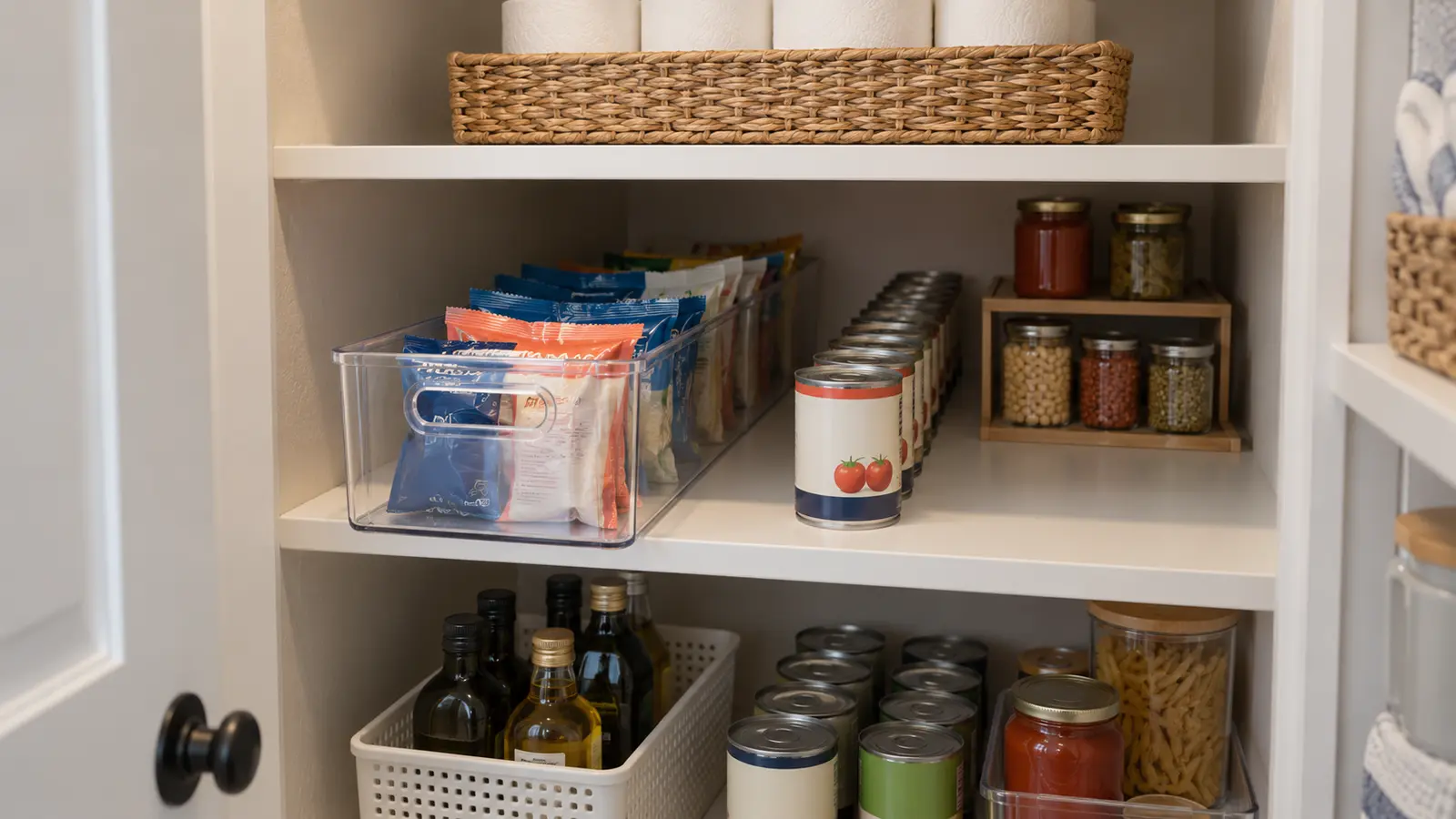
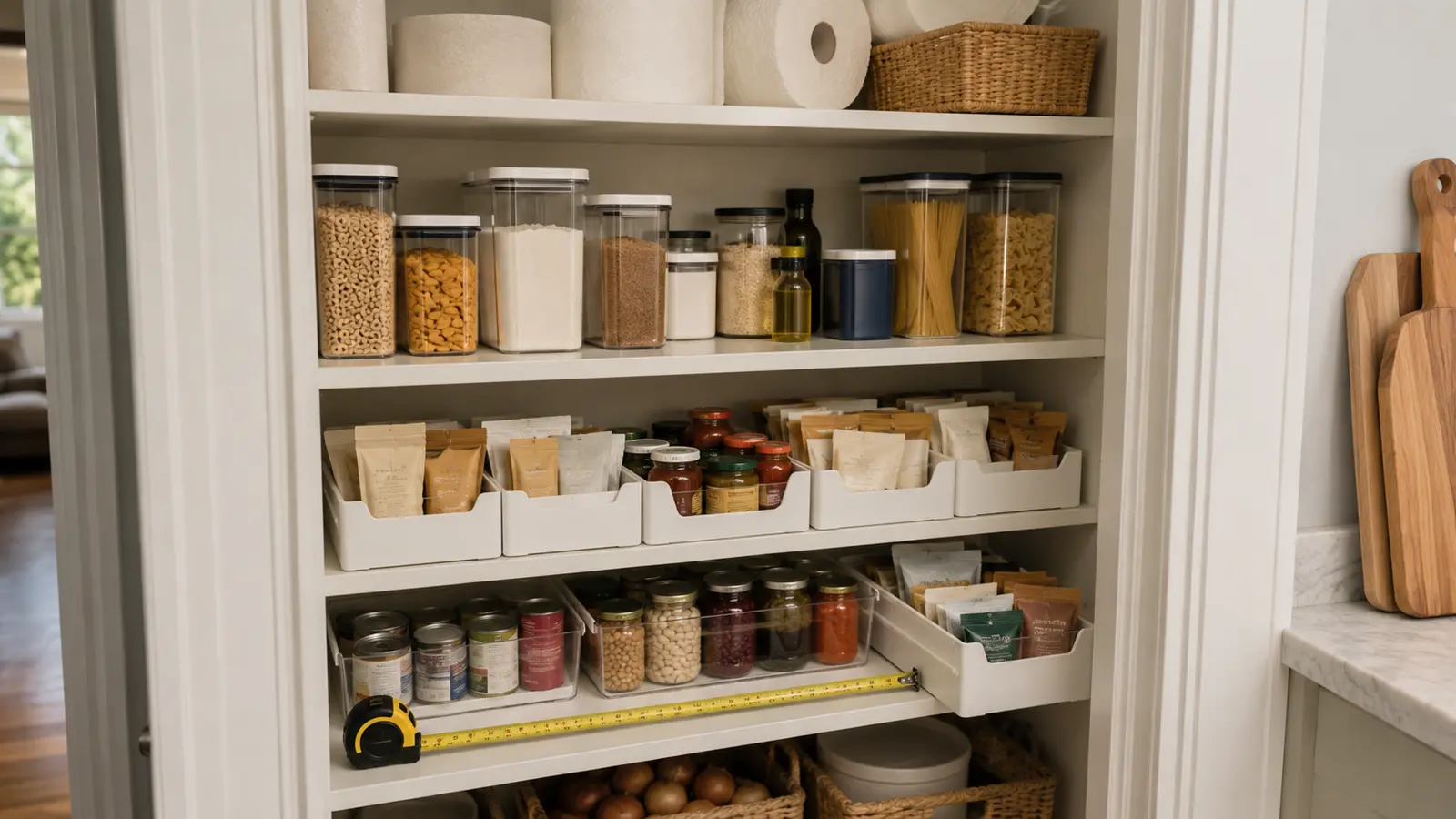
Map a real grocery cycle, shelf access, and retrieval before adding bins.
Shared method
Use what you own first, test the system, and buy only for a repeated failure.
Published after research and source review
Home organization guides
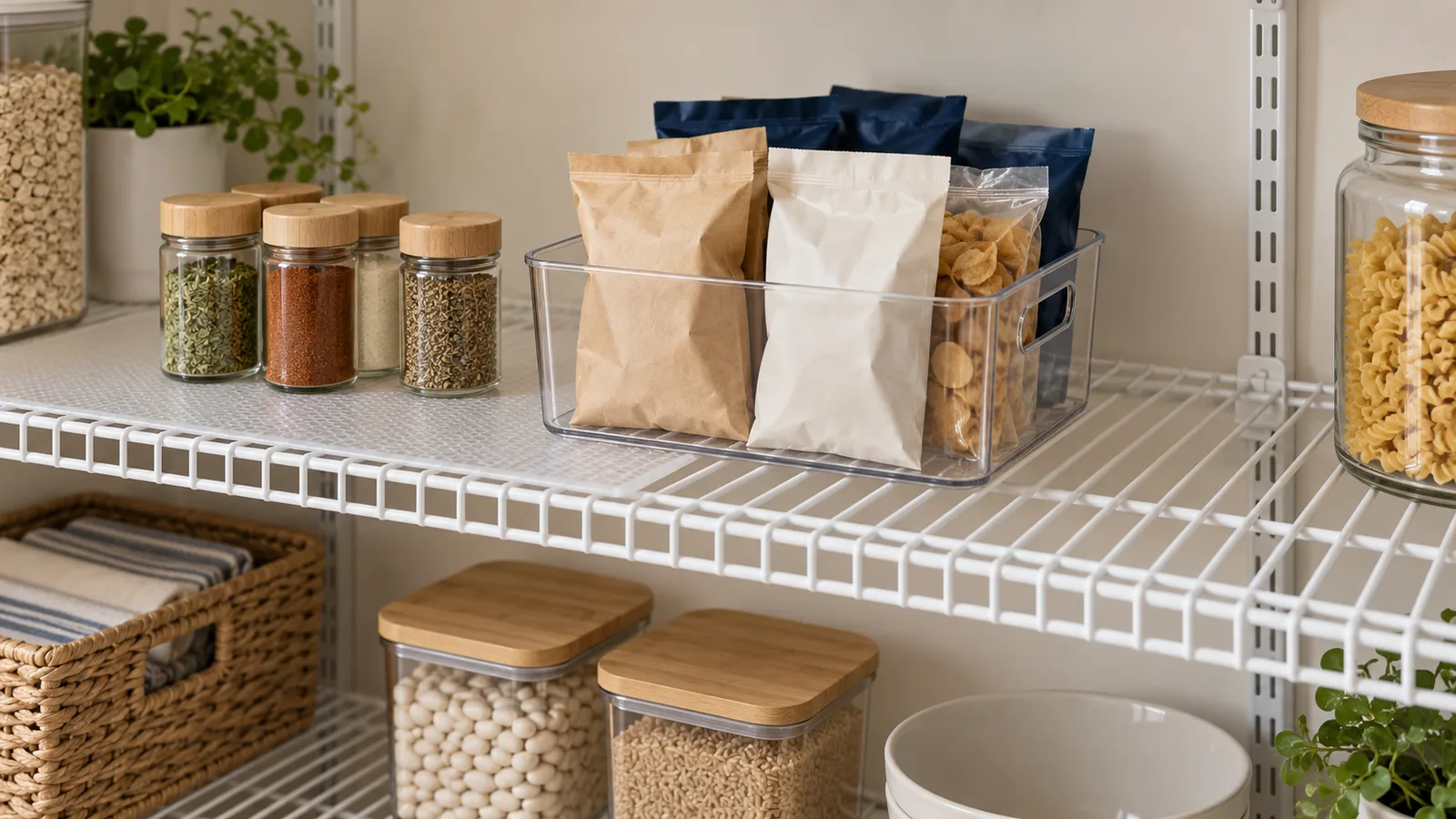
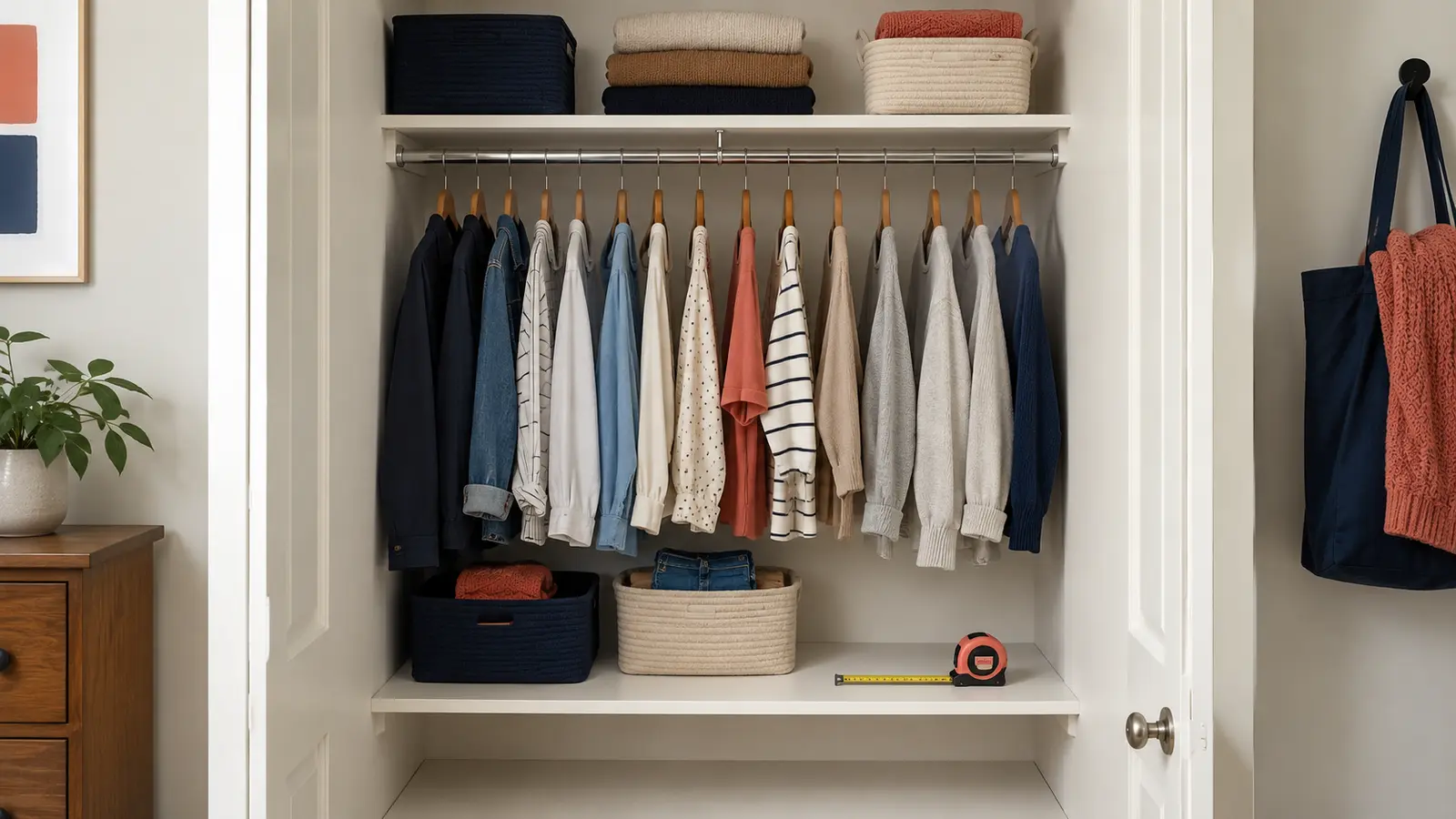
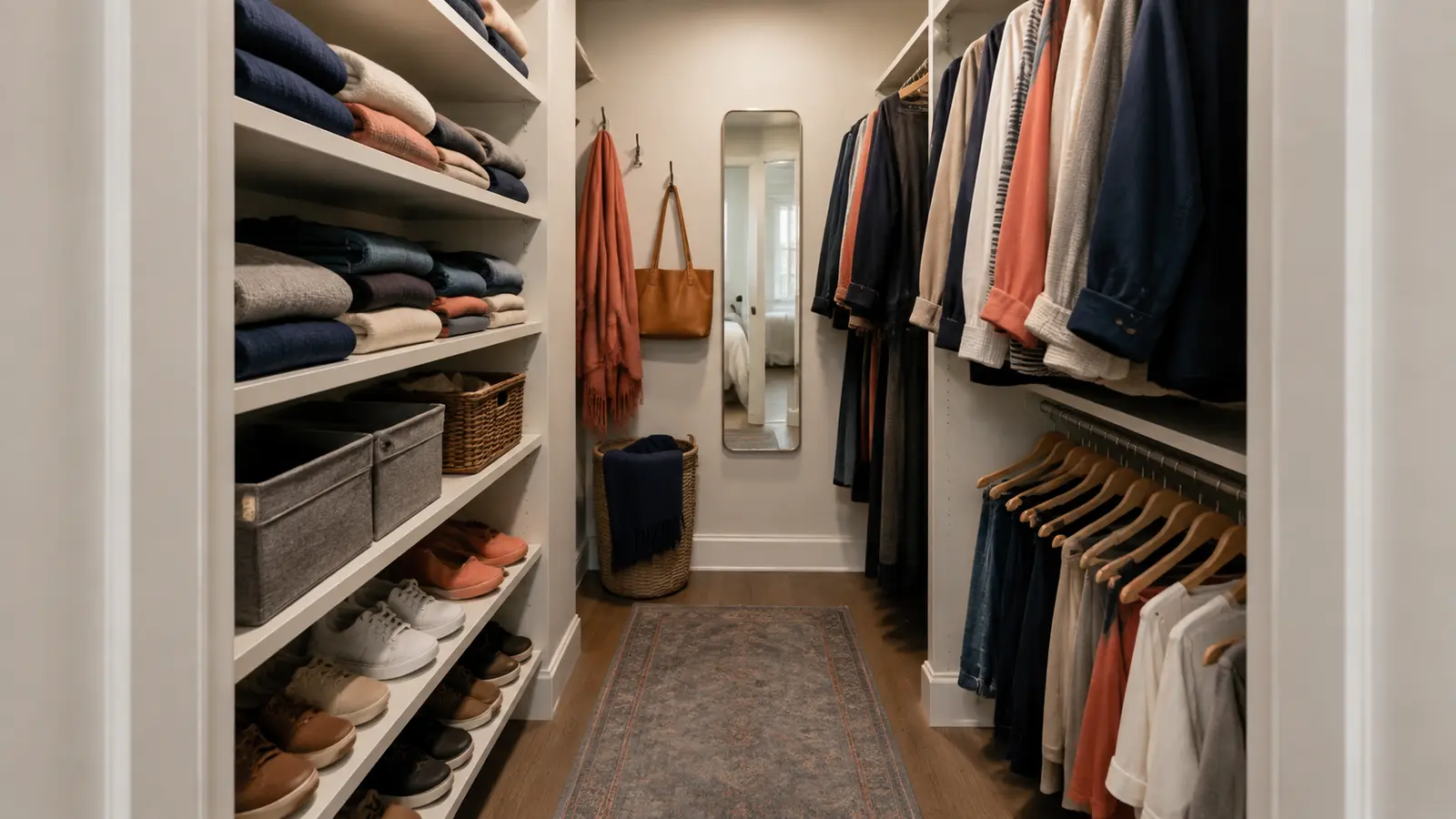
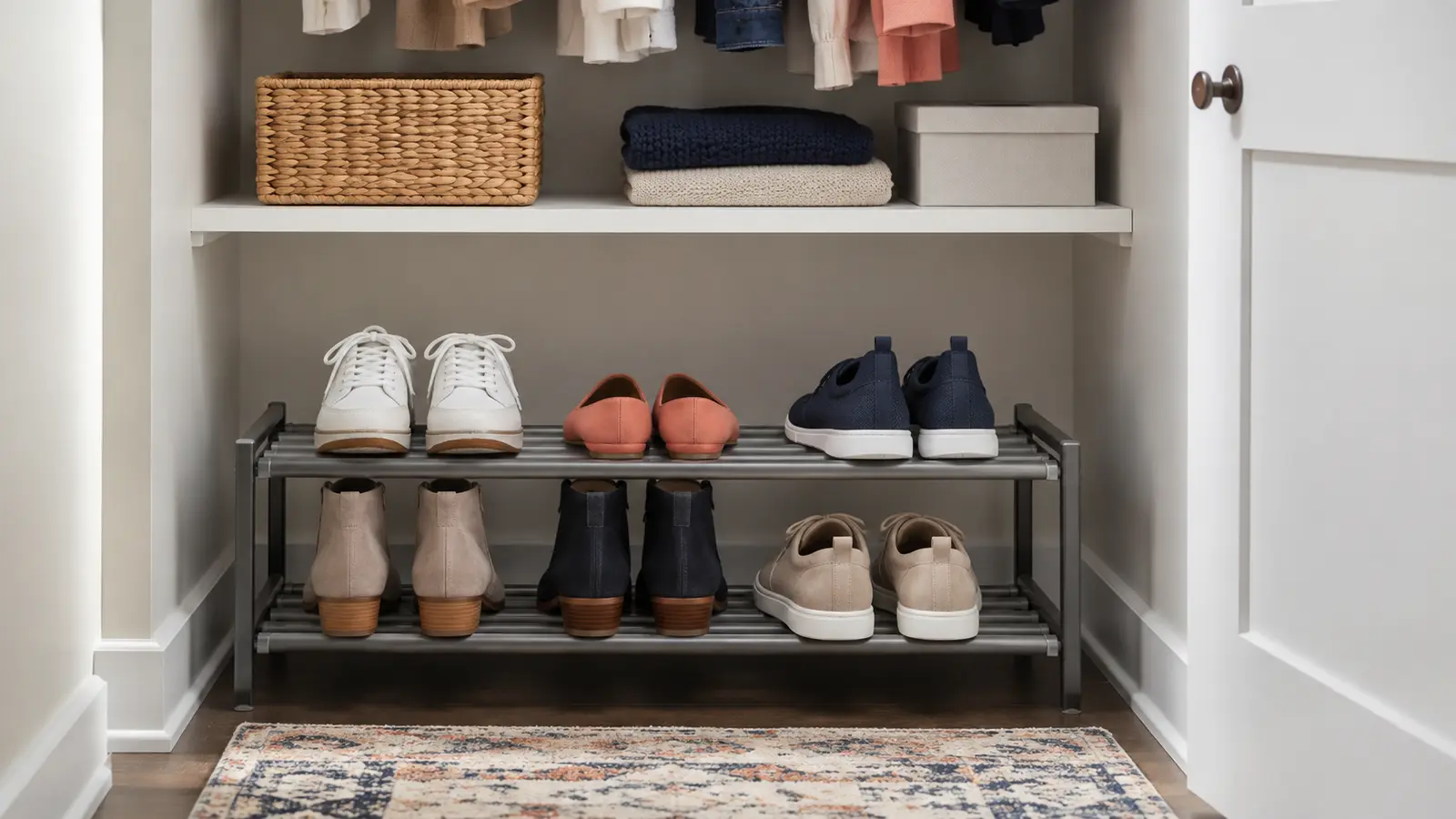
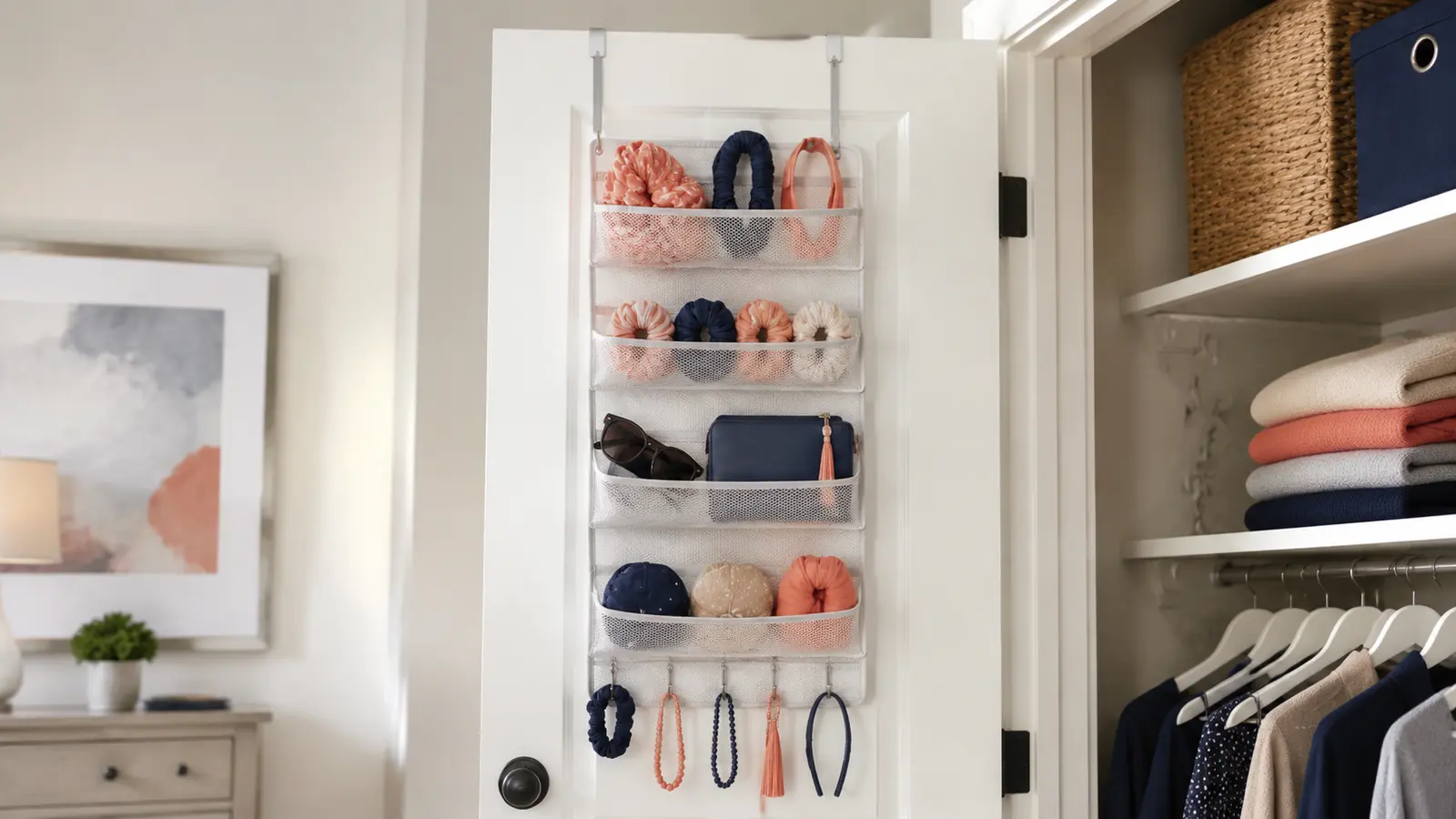
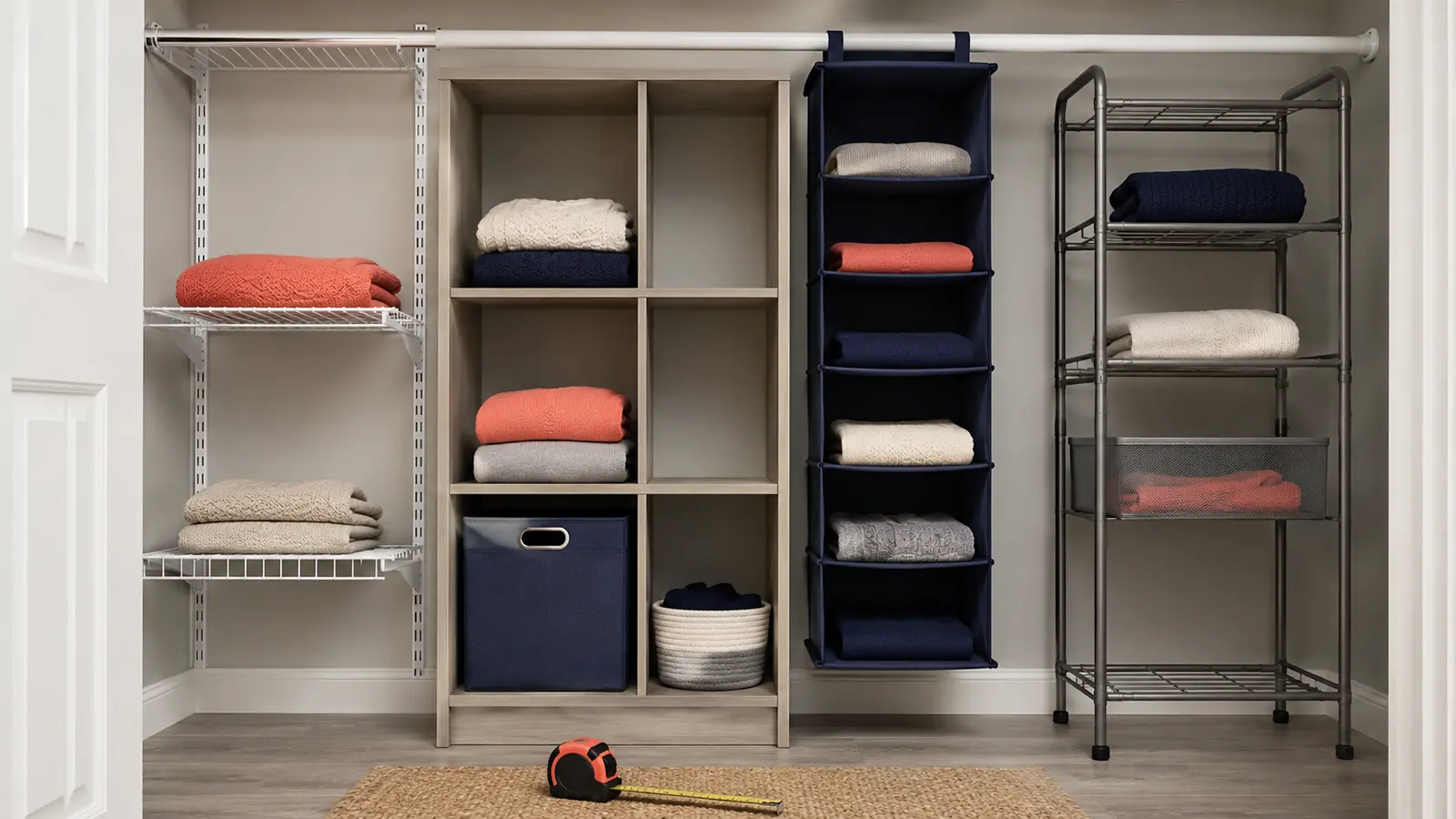
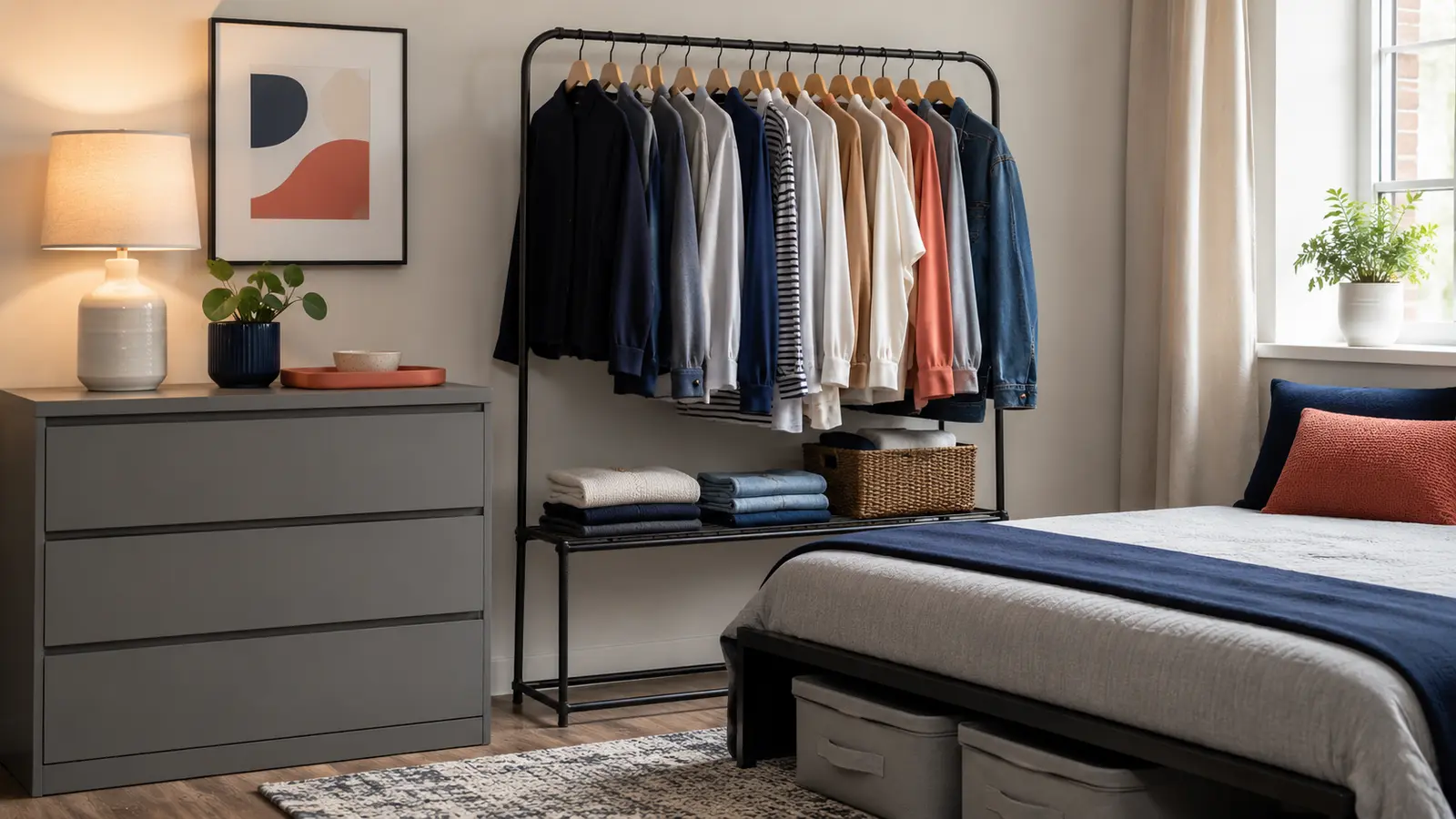
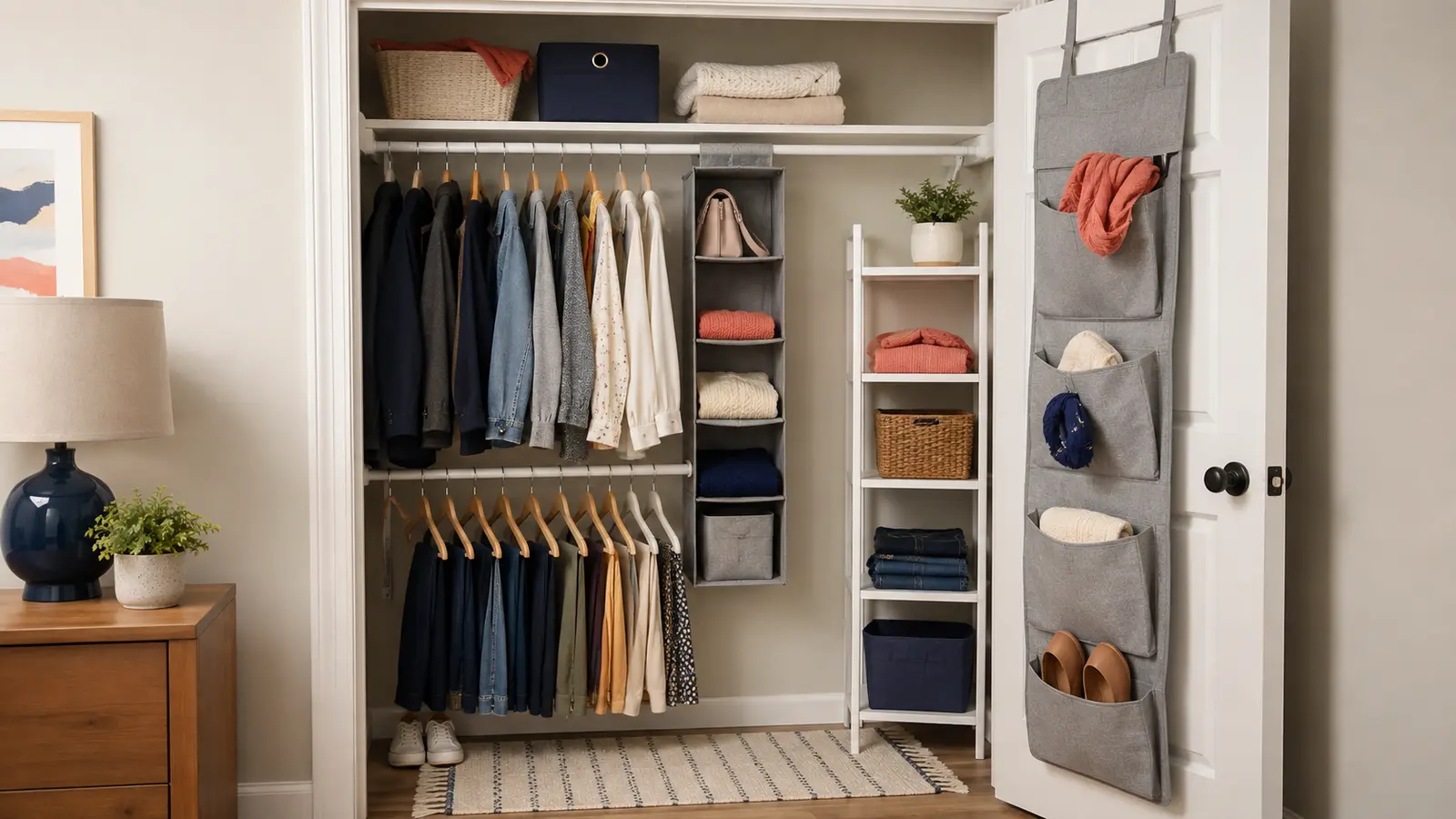
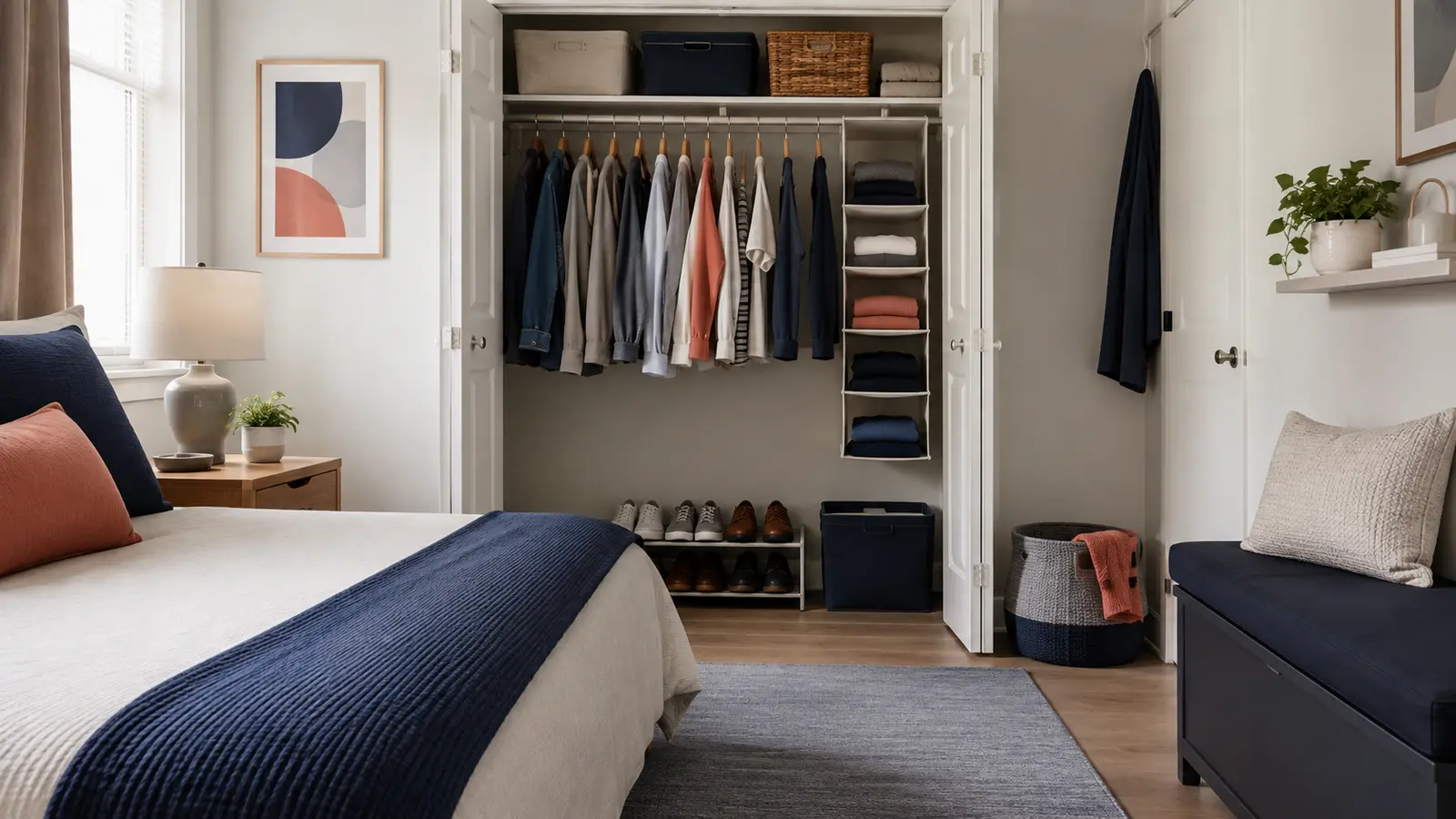
Stop packets falling and organizers rocking on wire pantry shelves. Choose liners and bins by base support, shelf fit, and the way you remove them. Organize deep pantry shelves with pull-forward lanes, risers, turntables, and loaded movement tests that keep food at the back visible and reachable. Organize a small pantry by measuring shelf access, mapping a real grocery cycle, and adding storage only where it fixes a repeated visibility or retrieval problem. Set closet shelf spacing, stack height, bin depth, and access zones around the items you own so shelves stay visible and easy to reset. Organize a small closet with a five-measure plan, access zones, and only the storage your wardrobe actually needs—without wasting space on generic hacks. Plan a small walk-in closet around aisle clearance, corners, hanging length, and access frequency before adding shelves, drawers, or extra rods. Compare 10 practical shoe storage ideas for a small closet by pair count, shoe height, shelf depth, door clearance, visibility, and space cost. Evaluate over-door pockets, hooks, racks, and door-mounted storage by clearance, door type, loaded depth, item weight, and everyday access. Compare wire, laminate, fabric, freestanding, door, and modular closet organizers by measurements, installation, access, flexibility, and tradeoffs. Create clothes storage without a closet using a garment rack, drawers, under-bed space, and a visible daily rotation—without turning the room into storage. Build a renter-friendly closet with reversible storage, a lease-first checklist, door-clearance tests, and honest tradeoffs for no-drill organizers. Organize a small bedroom closet by deciding what belongs in the closet, under the bed, in drawers, or outside the room—while keeping daily access simple. Organize a small reach-in closet around its real opening, door type, blind corners, hanging length, and shelf access without overfilling it.