
How to Organize a Small Car Without Losing Passenger Space
A measure-first zone system for organizing a compact car safely, reducing clutter, and choosing storage only where it solves a repeated problem.
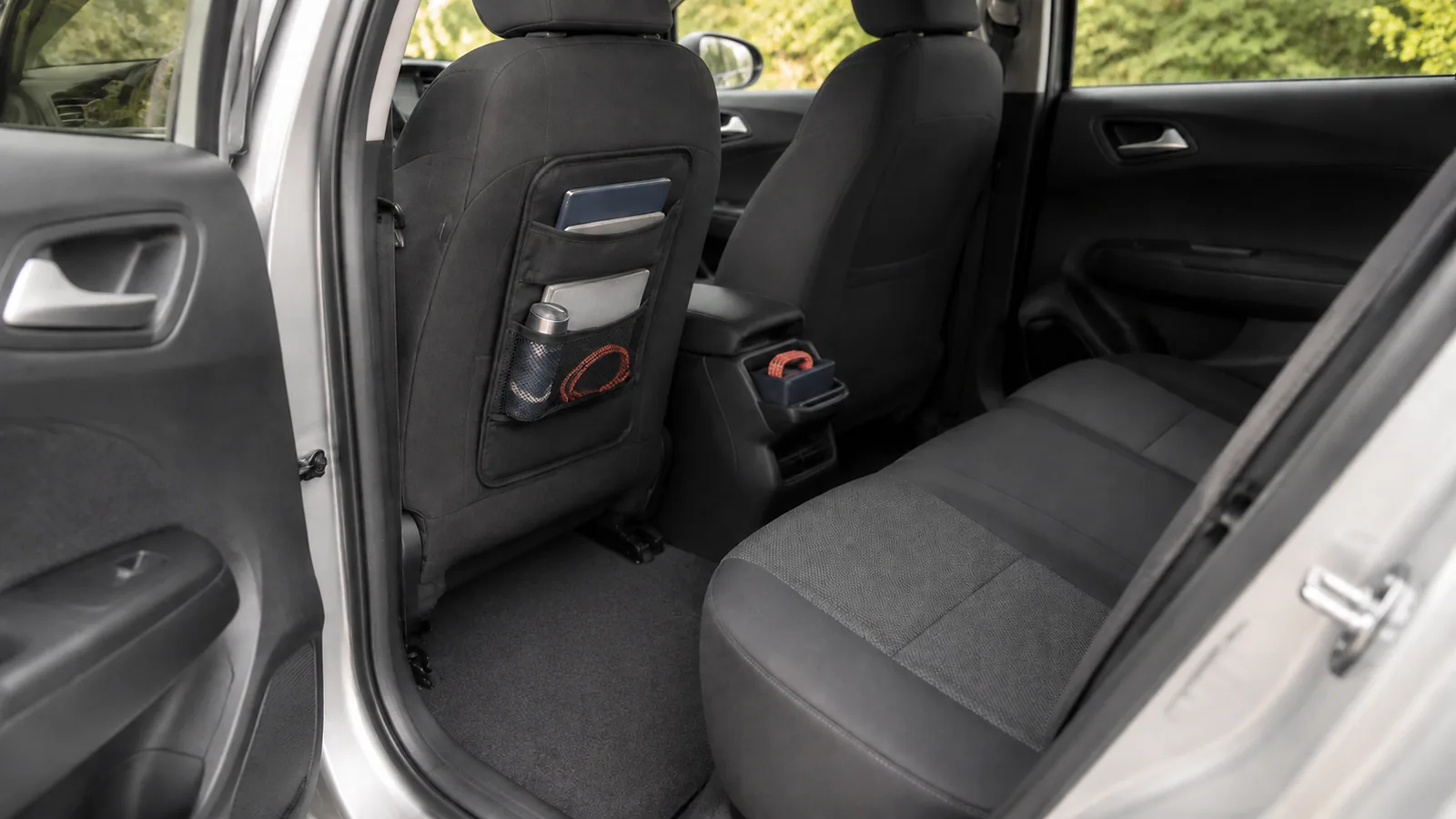
The best way to organize a small car is to carry less, assign every remaining item to a zone, and measure before buying containers. The goal is not to fill every gap with an organizer—it is to keep the driver area clear and make important items easy to reach.
Step 1: empty and sort the car
Remove everything that is not installed. Sort it into:
- Required documents
- Roadside and emergency supplies
- Daily-use items
- Passenger or child items
- Seasonal items
- Things that belong elsewhere
If an item has not been used, is not required, and does not support a realistic emergency or routine, it probably does not need permanent car space.
Step 2: create four zones
Driver zone
Only items needed while parked or during normal vehicle operation belong near the driver: required paperwork, charging connection, tissues, and perhaps a small waste solution.
Nothing should enter the footwell, interfere with pedals or controls, obstruct visibility, or sit in an airbag deployment area.
Shared cabin zone
Use one compact location for passenger needs. A removable pouch works better than many loose objects in door pockets and cup holders.
Seat-back zone
Seat-back storage is useful for passengers, children, or work supplies, but it can reduce rear legroom. Check the loaded thickness, not just the empty organizer’s dimensions.
Trunk zone
Reserve the trunk for the roadside kit, reusable bags, and cargo that benefits from containment. Keep access to the spare tire or repair kit clear. The separate trunk-organization workflow covers cargo zones and load securement in more detail.
Step 3: measure the real space
Measure width, depth, and usable height. Also note:
- Seat movement
- USB ports and vents
- Handbrake, shifter, and control clearance
- Trunk-floor access
- Child-seat anchors
- The space needed for normal groceries or luggage
Compare external organizer dimensions, not advertised capacity alone. Soft-sided organizers can adapt to cargo, while rigid bins can stack and clean more easily; each has a place.
Step 4: place items by frequency
Use this rule:
| Frequency | Best location |
|---|---|
| Every drive | One reachable, non-obstructive cabin location |
| Weekly | Console, door pocket, or small removable pouch |
| Emergency only | Secured and clearly labeled trunk kit |
| Seasonal | Removable module swapped twice a year |
| Rare and replaceable | Store outside the car |
This prevents emergency tools from crowding the console and daily items from disappearing into a large trunk bin.
Step 5: choose the minimum container
Add storage only after identifying the failure:
- Receipts and wrappers collect: small lined trash container
- Phone or keys fall beside the seat: measured gap solution or changed habit
- Groceries roll: secured collapsible trunk organizer
- Documents disappear: slim document wallet
- Small essentials spread everywhere: one zip pouch or fitted console tray
- Passenger items take over: removable seat-back organizer
Our car organizer buying guide compares these types and their drawbacks.
Step 6: secure what remains
Loose objects can move during sudden braking. Use factory cargo hooks, straps, closed compartments, or organizers designed to remain stable. Heavy tools belong low and secured—not on a parcel shelf or loose in the cabin.
A five-minute weekly reset
- Remove trash and items that belong indoors.
- Return documents and daily essentials to their zones.
- Check that the driver footwell is empty.
- Fold or secure the trunk organizer.
- Replace any used emergency supply.
Pair this with our clean-and-organized car routine so the system survives ordinary busy weeks.
The test for a good system
Your setup is working if you can answer yes to four questions:
- Can I reach required documents quickly?
- Can I access the roadside kit without unloading the trunk?
- Are the driver footwell, visibility, controls, and airbags unobstructed?
- Can passengers and normal cargo still use the car comfortably?
If not, remove a container before adding another one.